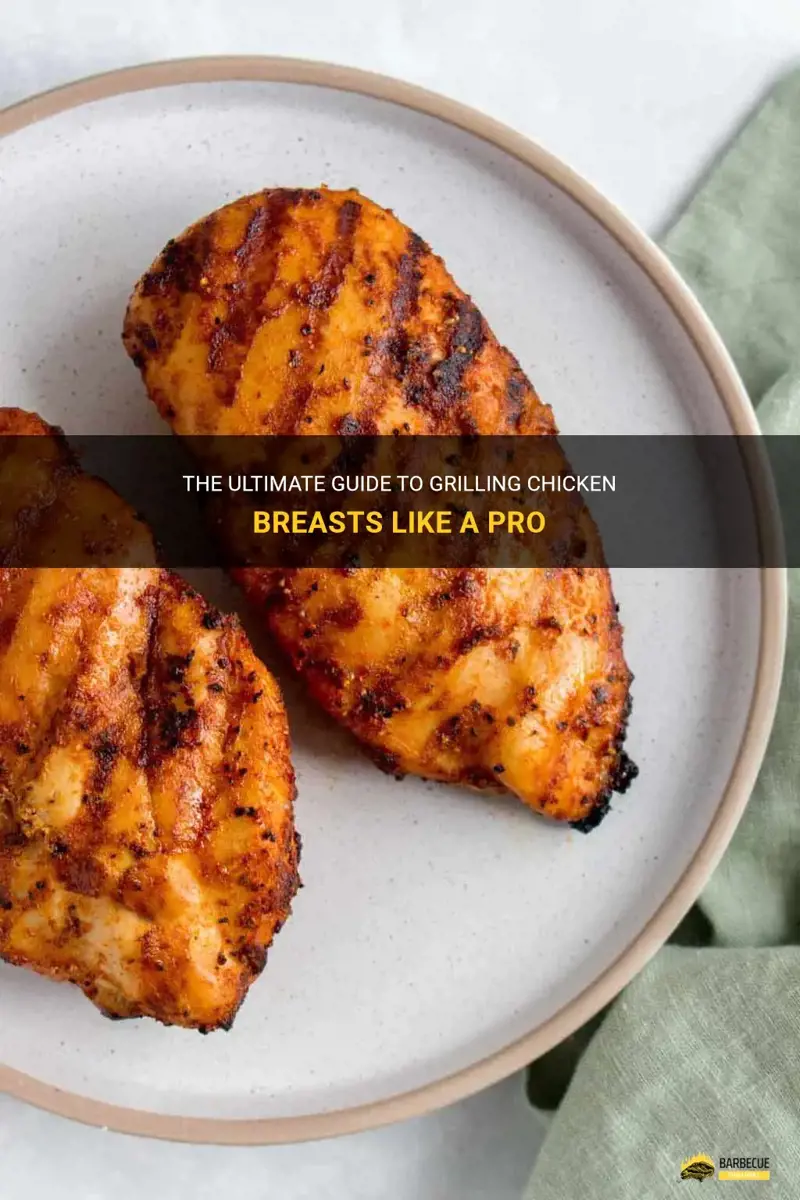
Grill Like a Pro: Expert Tips for Tender, Flavorful Chicken Breasts
There's nothing quite like the smoky aroma and delicious taste of perfectly
grilled chicken breast. It's a culinary staple, beloved for its lean protein, incredible versatility, and suitability for countless meals. However, achieving that coveted tender, juicy result can sometimes feel like a culinary tightrope walk. Too often, this lean cut of poultry ends up dry, tough, and lacking in flavor – a common pitfall that discourages many home cooks.
But fear not, aspiring grill masters! With a few expert tips and techniques, you can transform ordinary boneless, skinless chicken breasts into a succulent, restaurant-quality experience right in your backyard. We're here to guide you through the fail-proof method for cooking flavorful, tender
grilled chicken breast that’s fit for a standalone main dish or ready to elevate your favorite recipes.
Why Grilled Chicken Breast is a Culinary Staple
Grilled chicken breast holds a special place in diets worldwide, and for good reason. Its inherent health benefits, combined with its impressive adaptability, make it an indispensable protein source.
*
Lean and Healthy: Boneless, skinless chicken breasts are a fantastic source of lean protein, making them an excellent choice for those focused on healthy eating. They are naturally low in fat, contributing to a balanced diet without sacrificing satiety.
*
Unmatched Versatility: From a starring role in salads like a vibrant Grilled Chicken Salad or a zesty Balsamic Chicken Salad, to a hearty addition in sandwiches, tacos, or pasta dishes,
grilled chicken breast seamlessly integrates into almost any cuisine. It's also perfect for meal prepping, ensuring you have delicious, healthy protein ready for quick lunches or dinners throughout the week.
*
Quick Cooking Time: Compared to other cuts of poultry or meat, boneless, skinless chicken breasts cook relatively quickly on the grill, making them an ideal choice for weeknight meals when time is of the essence.
Despite these advantages, the challenge remains: how to prevent this lean protein from drying out on the high heat of the grill. The answer lies in meticulous preparation and precise grilling techniques.
The Secret to Succulent Grilled Chicken Breast: Preparation is Key
The journey to a perfectly juicy
grilled chicken breast begins long before it hits the grates. These critical preliminary steps ensure moisture retention and flavor infusion from the inside out.
Choosing the Right Cut
For grilling, boneless, skinless chicken breasts are undoubtedly the preferred choice. They offer numerous advantages:
*
Minimized Prep: No bones or skin to deal with means less trimming and fuss.
*
Even Cooking: When properly prepared, they cook more uniformly than bone-in or skin-on cuts.
*
Deliciously Tender: They become wonderfully tender and absorb smoky flavors beautifully on the grill.
Pounding for Perfection
This step is a game-changer and often overlooked. Chicken breasts are naturally thicker at one end and thinner at the other. If you grill them as is, the thinner parts will inevitably dry out before the thicker section cooks through.
*
How to Pound: Place each chicken breast between two sheets of plastic wrap or in a large zip-top bag. Using a meat mallet (or the flat side of a heavy pan), gently pound the chicken to an even thickness, typically about 3/4 to 1 inch thick. This ensures uniform cooking and prevents those ends from becoming stringy and dry.
The Power of the Marinade
Skipping the marinade is perhaps the biggest mistake you can make when grilling chicken breasts. A good marinade does double duty: it infuses incredible flavor and helps to tenderize the meat while locking in moisture.
*
Marinade Essentials: A basic yet effective marinade typically includes an oil, an acid, salt, and your choice of herbs and spices.
*
Oil (e.g., olive oil, avocado oil): Helps to carry fat-soluble flavors into the meat, prevents sticking, and aids in browning.
*
Acid (e.g., lemon juice, lime juice, vinegar): Breaks down some of the tough protein fibers, tenderizing the chicken and adding a bright flavor. Lemon juice and oregano, as highlighted in classic recipes, create a simple yet incredibly effective and widely loved flavor profile.
*
Salt (e.g., kosher salt): Essential for seasoning and can also help with moisture retention through brining action.
*
Herbs and Spices: This is where you can get creative! Paprika, garlic powder, cumin, onion powder, dried oregano, thyme, and rosemary are all fantastic choices. For a Mediterranean twist, consider adding a touch of dried mint. For a smoky BBQ flavor, you might even incorporate a little liquid smoke or brown sugar to your marinade.
*
Poking Holes: While not strictly required, using a fork to poke shallow holes all over the pounded chicken breast can help the marinade penetrate more quickly and deeply, ensuring flavor in every bite.
*
Marinating Time: Aim for at least 30 minutes, but 2-4 hours is ideal for maximum flavor and tenderness. Avoid marinating for more than 8-12 hours, especially with strong acids, as it can start to break down the protein too much, resulting in a mushy texture.
Mastering the Grill: Techniques for Tender Results
Once your chicken is prepped and marinated, it’s time to hit the grill. The actual cooking process is where precision comes into play to ensure juiciness and safety.
Preheat Like a Pro
Don't rush this step. A properly preheated grill is crucial for searing the chicken, creating those coveted grill marks, and preventing sticking.
*
Temperature: Aim for medium-high heat (around 400-450°F / 200-230°C).
*
Clean and Oil: Always start with clean grill grates to prevent sticking. After preheating, lightly oil the grates with a high-smoke-point oil (like canola or grapeseed oil) using a folded paper towel held with tongs.
Direct vs. Indirect Heat
For lean boneless chicken breasts, a combination of direct and indirect heat is often the best approach to achieve a beautiful sear without drying out the interior.
*
Initial Sear (Direct Heat): Place the chicken directly over the hottest part of the grill. Sear for 2-3 minutes per side to develop appealing grill marks and lock in juices.
*
Finish (Indirect Heat): Move the chicken to a cooler part of the grill (or turn off one burner on a gas grill) and close the lid. This allows the chicken to cook through gently and evenly, preventing the outside from burning while the inside finishes cooking without losing moisture.
The Thermometer is Your Best Friend
This cannot be stressed enough: a reliable meat thermometer is the single most important tool for preventing dry, overcooked chicken and ensuring food safety.
*
Safe Internal Temperature: All poultry, including chicken breast, must reach an internal temperature of 165°F (74°C) in the thickest part to be safe to eat, as recommended by the USDA.
*
Preventing Overcooking: Once the chicken reaches 165°F, it's done! Every degree above this target contributes to dryness. Insert the thermometer into the thickest part of the breast, avoiding bones if possible.
*
Monitoring: Start checking the temperature after about 8-10 minutes of total grilling time, depending on thickness, and continue checking every minute or so until it reaches 165°F.
Resting Your Chicken
This final step is as crucial as the marinade for achieving juicy results.
*
Why Rest? When chicken cooks, the muscle fibers contract and push the juices towards the center. If you cut into it immediately, those juices will gush out onto your cutting board, leaving you with dry meat. Resting allows the fibers to relax and redistribute the juices throughout the meat.
*
How Long? Transfer the grilled chicken breasts to a clean cutting board and tent loosely with foil. Let them rest for 5-10 minutes before slicing or serving.
Elevate Your Grilled Chicken Breast Experience
Mastering the basic techniques opens up a world of culinary possibilities. Don't be afraid to experiment with different flavor profiles to keep things exciting.
*
Flavor Fusion: Beyond the classic lemon-oregano, explore a spicy chili-lime marinade, a smoky chipotle blend, a vibrant herb-garlic mix, or even an Asian-inspired soy-ginger marinade. The versatility of
grilled chicken breast means it can adapt to almost any flavor you desire.
*
Serving Suggestions: Serve your perfectly grilled chicken breasts alongside roasted vegetables, a fresh summer salad, quinoa, or rice. Slice them thinly for gourmet sandwiches, wraps, or as a protein boost for your weekly salads.
Conclusion
Grilling tender, flavorful chicken breasts doesn't have to be a gamble. By incorporating these expert tips – from pounding to even thickness and embracing the power of a good marinade, to mastering grill temperatures and always using a meat thermometer – you can consistently achieve succulent, juicy results that will impress family and friends alike. Embrace these techniques, and you'll find yourself grilling like a pro, turning simple chicken breasts into a culinary triumph every time. Happy grilling!